
 Esau Busuulwa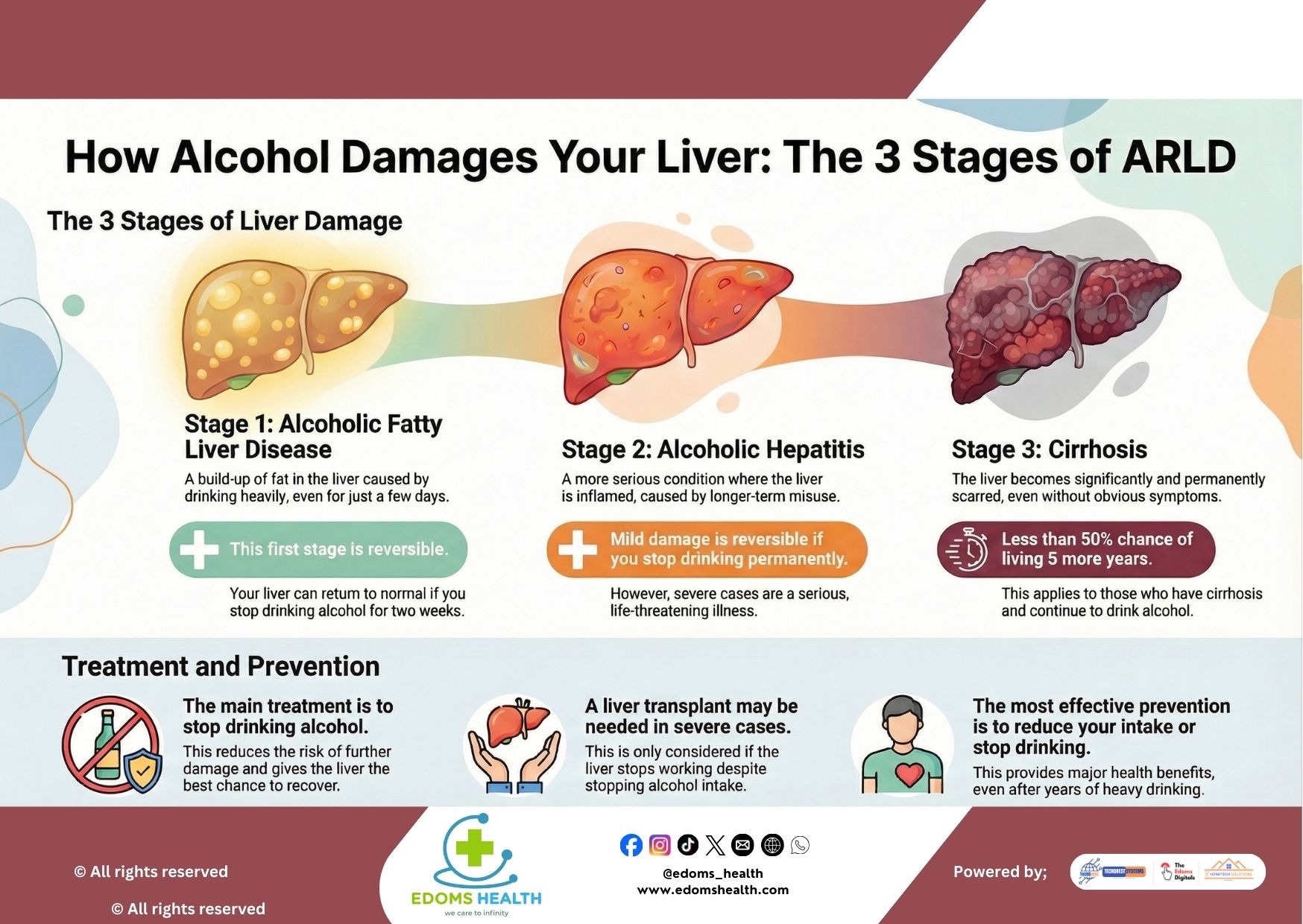
How Alcohol Damages Your Liver: Understanding the 3 Stages of Alcohol-Related Liver Disease
The liver is one of the body’s most vital and resilient organs, responsible for filtering toxins, aiding digestion, and regulating metabolism. However, its ability to process alcohol has a limit. Regular and excessive alcohol consumption can overwhelm the liver, leading to a progressive and potentially fatal condition known as Alcohol-Related Liver Disease (ARLD). Understanding the three distinct stages of ARLD underscores the critical importance of moderation and early intervention.
The 3 Stages of Liver Damage
The damage from alcohol to the liver follows a predictable, stepwise progression, each stage more severe and less reversible than the last.
Stage 1: Alcoholic Fatty Liver Disease (AFLD)
This is the earliest and most common stage of ARLD. It involves a build-up of fat inside the liver cells, caused by drinking heavily, even for just a few days.
- Key Fact: This stage is often “silent,” presenting few or no symptoms. It might be discovered incidentally during routine blood tests.
- Outlook: This first stage is reversible. The liver has a remarkable ability to heal. Your liver can return to normal if you stop drinking alcohol for about two weeks.
- Takeaway: AFLD is a critical warning sign. It is the body’s clear signal that alcohol intake has become harmful and must be addressed immediately.
Stage 2: Alcoholic Hepatitis
This stage represents a significant escalation. It is a more serious condition where the liver is inflamed and swollen, caused by longer-term misuse of alcohol.
- Key Fact: Symptoms become noticeable and can include jaundice (yellowing of the skin and eyes), fever, nausea, abdominal pain, and fatigue.
- Outlook: Mild alcoholic hepatitis is potentially reversible if you stop drinking permanently. However, continued drinking leads to repeated bouts of inflammation. Severe cases are a serious, life-threatening illness that can cause liver failure and require urgent hospitalization.
- Takeaway: This is a pivotal point. The choice to stop drinking permanently can mean the difference between recovery and progression to irreversible damage.
Stage 3: Cirrhosis
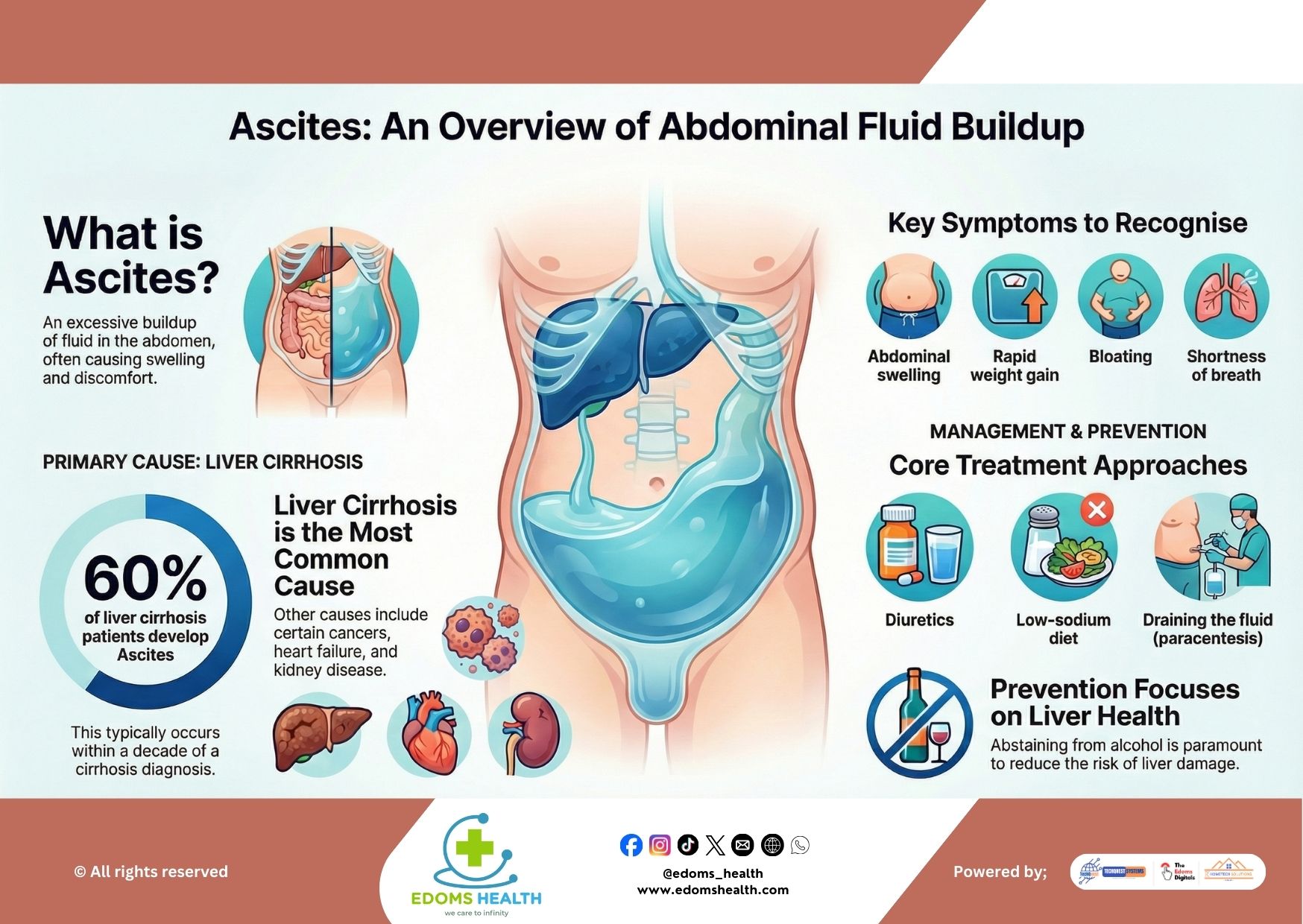
This is the final, most severe stage of ARLD. In cirrhosis, the liver becomes significantly and permanently scarred. Healthy liver tissue is replaced with non-functioning scar tissue, which can happen even without obvious symptoms until the damage is extensive.
- Key Fact: The liver’s structure is permanently altered, severely impairing its function. Complications can include internal bleeding, fluid buildup in the abdomen, and increased risk of liver cancer.
- Outlook: The statistics are stark. For those who have cirrhosis and continue to drink alcohol, there is a less than 50% chance of living 5 more years. Stopping alcohol completely is non-negotiable to halt further progression and manage complications.
- Takeaway: Cirrhosis is irreversible, but stopping alcohol can prevent further decline and is the most critical factor for survival.
Treatment and Prevention
The cornerstone of managing ARLD is unequivocal: The main treatment is to stop drinking alcohol. Abstinence reduces the risk of further damage and gives the liver the best possible chance to recover, especially in the early stages.
- Medical Intervention: In cases of severe alcoholic hepatitis or cirrhosis, medical care focuses on managing complications. This can include medications, nutritional support, and procedures to address specific issues like internal bleeding.
- Liver Transplant: A liver transplant may be needed in severe cases of cirrhosis where the liver stops working. This is a last-resort option and is only considered if the individual has stopped drinking alcohol permanently and is committed to lifelong abstinence post-transplant.
Prevention is Paramount and Always Possible
The most powerful message is one of hope and agency. The most effective prevention is to reduce your intake or stop drinking. The liver’s capacity for healing is extraordinary.
- Following recommended low-risk drinking guidelines (or abstaining) prevents AFLD from developing.
- Stopping alcohol provides major health benefits, even after years of heavy drinking. It can reverse fatty liver disease, halt the progression of hepatitis, and dramatically improve life expectancy and quality of life for those with cirrhosis.
Conclusion
The pathway from a fatty liver to cirrhosis is a direct consequence of sustained alcohol misuse, but it is not an inevitable fate. Recognizing the stages of ARLD provides a clear map of the risks. The liver sends early, reversible warnings. Heeding them by choosing to stop drinking is the single most important decision for liver health. If you are concerned about your drinking or liver health, speaking to a healthcare professional is the essential first step toward recovery and longevity.