
 Esau Busuulwa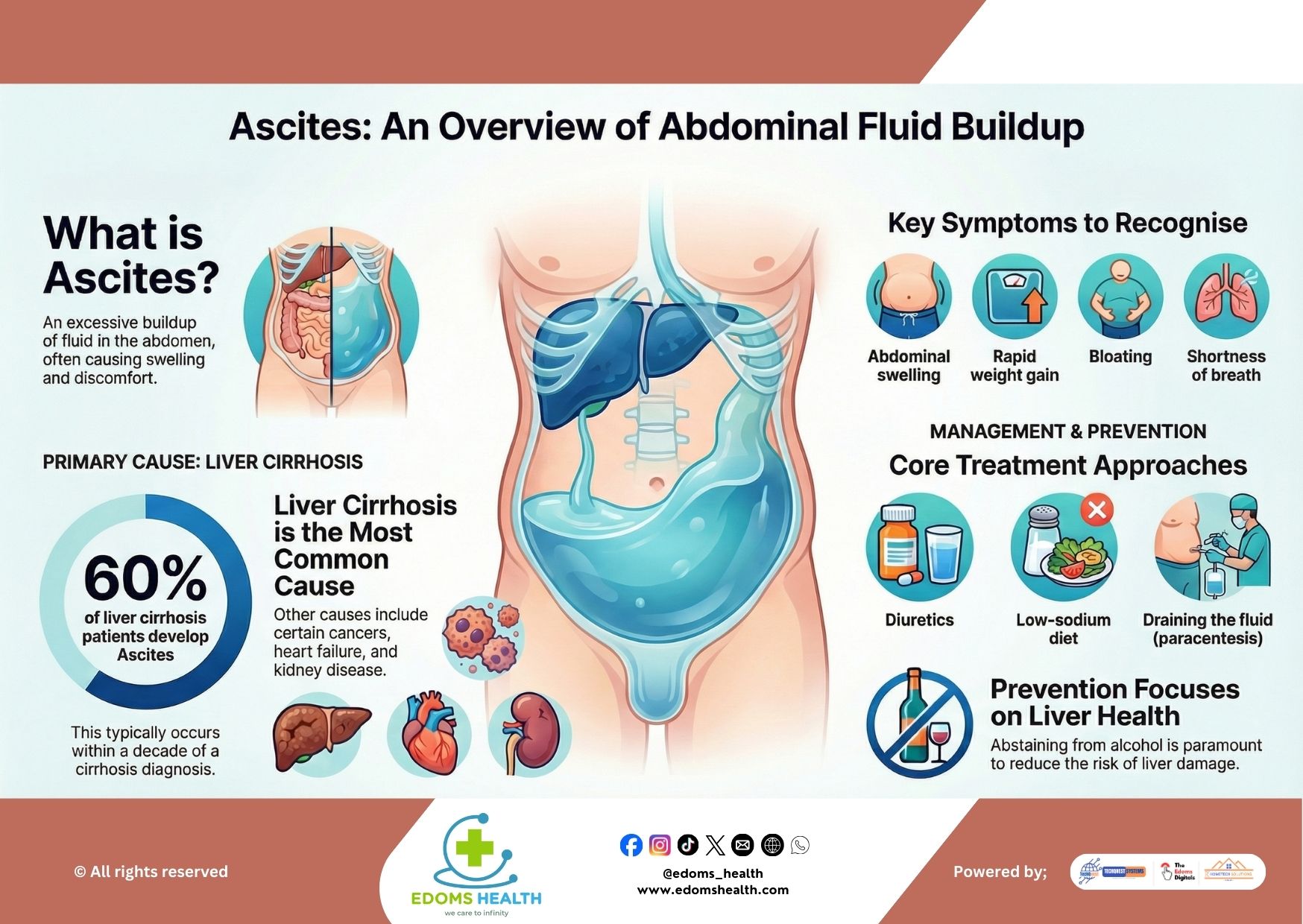
Overview
Ascites is a medical condition characterized by the excessive accumulation of fluid in the abdominal cavity, leading to noticeable swelling, discomfort, and sometimes serious health complications. While it is a symptom rather than a disease itself, its presence often signals an underlying health issue that requires prompt attention and management.
What is Ascites?
Ascites occurs when fluid leaks from blood vessels and collects in the peritoneal cavity—the space within the abdomen that contains the intestines, liver, and other organs. This buildup can cause the abdomen to become visibly distended, often accompanied by sensations of bloating, heaviness, and pressure. In severe cases, ascites can impair breathing and mobility, significantly affecting a person’s quality of life.
Primary Cause: Liver Cirrhosis
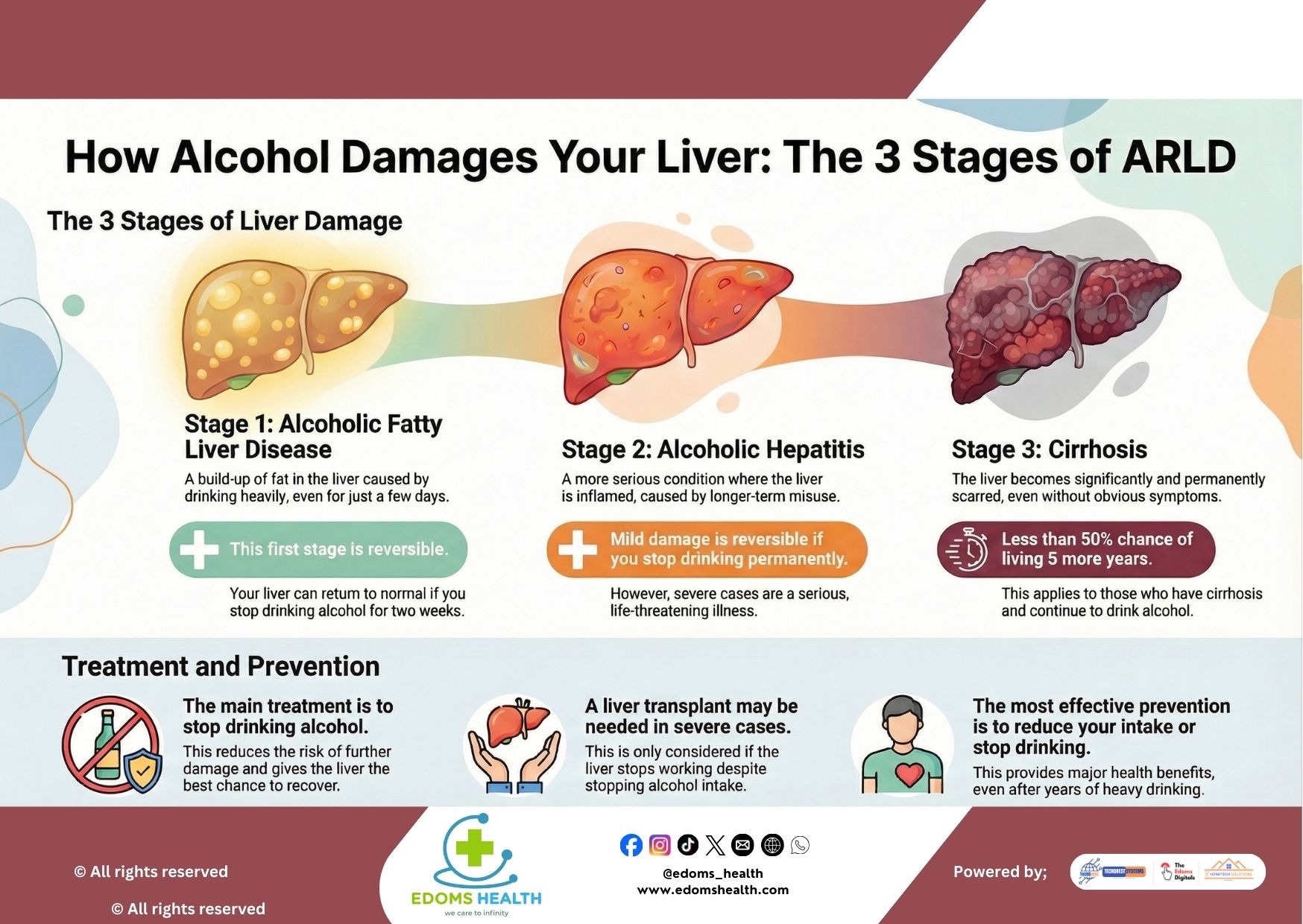
The most common cause of ascites is liver cirrhosis—a condition in which long-term liver damage leads to scarring and impaired liver function. When the liver is cirrhotic, blood flow through the organ is obstructed, increasing pressure in the portal vein (portal hypertension). This forces fluid to seep into the abdominal cavity.
Ascites related to cirrhosis typically develops within about ten years of the initial diagnosis, marking a progression in liver disease severity.
Other Possible Causes Include:
- Certain cancers, especially ovarian, pancreatic, liver, or metastatic abdominal cancers
- Heart failure, where the heart cannot pump efficiently, leading to fluid retention
- Kidney disease, particularly nephrotic syndrome
- Infections such as tuberculosis or pancreatitis
- Protein malnutrition (kwashiorkor)
Recognizing the Symptoms
Key signs and symptoms of ascites include:
- Abdominal swelling and increased girth
- Rapid, unexplained weight gain
- Persistent bloating and discomfort
- Shortness of breath due to pressure on the diaphragm
- Feeling full quickly when eating
- Ankle or leg swelling (edema)
- In advanced cases, a protruding navel or visible veins on the abdomen
If you experience any of these symptoms—especially if you have a history of liver disease, alcohol use, or heart conditions—it’s important to seek medical evaluation promptly.
Management and Treatment
Managing ascites focuses on relieving symptoms, removing excess fluid, and treating the underlying cause. The main approaches include:
1. Diuretics (Water Pills)
Medications such as spironolactone and furosemide help the kidneys remove excess sodium and fluid from the body. Dosage must be carefully monitored by a healthcare provider to avoid electrolyte imbalances.
2. Low-Sodium Diet
Reducing salt intake is crucial, as sodium promotes fluid retention. Patients are often advised to limit sodium to less than 2,000 mg per day and may work with a dietitian to create a balanced, liver-friendly meal plan.
3. Paracentesis
In cases of significant fluid buildup, a procedure called paracentesis may be performed. This involves inserting a thin needle into the abdomen to drain the excess fluid, providing immediate relief from discomfort and breathing difficulties.
4. Treating the Underlying Condition
Depending on the cause, treatment may also involve:
- Managing liver disease and abstaining from alcohol
- Chemotherapy or surgery for cancer-related ascites
- Medications for heart or kidney conditions
- In advanced cirrhosis, a transjugular intrahepatic portosystemic shunt (TIPS) may be considered to reduce portal hypertension
Prevention: Focus on Liver Health
Since liver cirrhosis is the leading cause of ascites, protecting your liver is the most effective form of prevention:
- Abstain from alcohol or drink only in moderation
- Get vaccinated against hepatitis B
- Practice safe sex and avoid sharing needles to prevent hepatitis C
- Maintain a healthy weight to prevent fatty liver disease
- Follow prescribed treatments if you have chronic liver, heart, or kidney conditions
Living with Ascites
With proper management, many people with ascites can lead active lives. Regular follow-ups with a healthcare team—including a hepatologist, cardiologist, or oncologist as needed—are essential. Self-monitoring of weight and abdominal girth, along with adherence to dietary and medication guidelines, can help prevent complications and improve outcomes.
If you or a loved one are experiencing symptoms of ascites, do not delay seeking medical advice. Early diagnosis and intervention can help manage symptoms, address the root cause, and enhance overall well-being.
Consult your doctor for personalized guidance, especially if you have a known liver condition or are at risk for heart or kidney disease.