
 Esau Busuulwa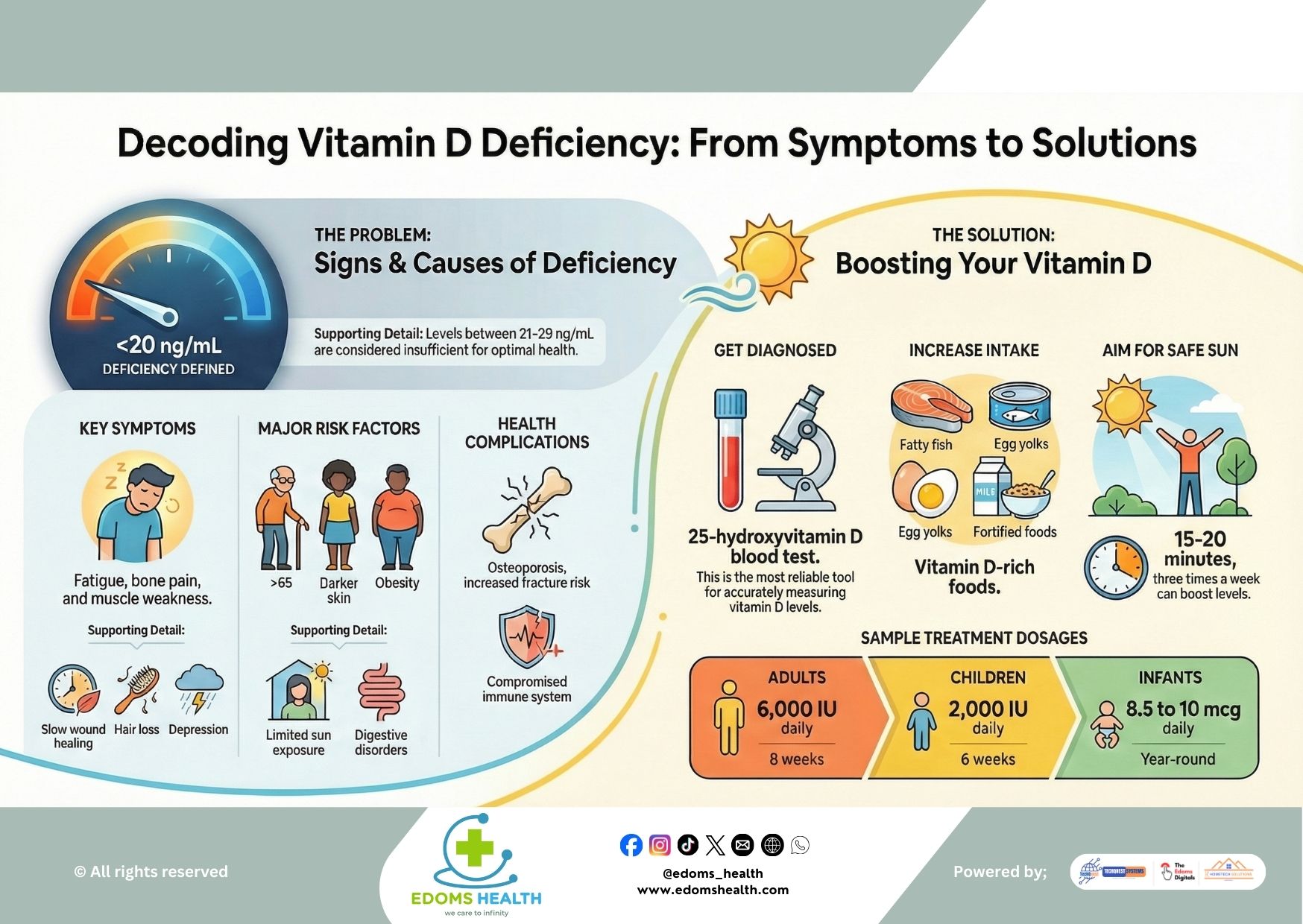
Vitamin D, often called the “sunshine vitamin,” is essential for bone health, immune function, mood regulation, and overall well-being. Despite its importance, vitamin D deficiency is incredibly common worldwide. Recognizing the signs, understanding the causes, and knowing how to restore healthy levels are key steps toward protecting your health.
The Problem: Signs and Causes of Deficiency
Vitamin D deficiency occurs when your body doesn’t get enough vitamin D to function properly. It can result from inadequate dietary intake, limited sun exposure, or conditions that impair absorption.
Key Symptoms
Deficiency can be subtle at first but may lead to noticeable health issues:
- Fatigue and low energy
- Bone pain or tenderness, especially in the back, hips, and legs
- Muscle weakness or aches
- Frequent infections or weakened immunity
- Mood changes, including depression or anxiety
- Slow wound healing
- Hair loss
- Cognitive impairment in older adults
Major Risk Factors
Certain groups are at higher risk for deficiency:
- Age over 65: Skin becomes less efficient at producing vitamin D.
- Darker skin tones: Higher melanin reduces vitamin D synthesis from sunlight.
- Obesity: Vitamin D can become sequestered in fat tissue.
- Limited sun exposure: Due to lifestyle, geography, or consistent sunscreen use.
- Digestive disorders: Such as Crohn’s disease, celiac disease, or IBS, which affect nutrient absorption.
- Kidney or liver disease: Impair the conversion of vitamin D to its active form.
- Certain medications: That interfere with vitamin D metabolism.
- Exclusively breastfed infants without supplementation.
Health Complications
Untreated deficiency can lead to serious health problems:
- Osteoporosis and increased fracture risk
- Osteomalacia (softening of bones in adults) or rickets (in children)
- Compromised immune system, leading to more frequent illnesses
- Cardiovascular issues
- Possible links to certain cancers and autoimmune diseases
Diagnosis: How to Know Your Levels
If you suspect a deficiency, a simple blood test called the 25-hydroxyvitamin D test is the most accurate way to measure your vitamin D status.
Interpreting Results:
- Deficient: <20 ng/mL (or <50 nmol/L)
- Insufficient: 21–29 ng/mL
- Sufficient: 30–100 ng/mL (optimal range is often 40–60 ng/mL)
Consult your healthcare provider to interpret your results and develop a treatment plan if needed.
Solutions: How to Boost Your Vitamin D Levels
1. Increase Dietary Intake
While few foods naturally contain vitamin D, you can include:
- Fatty fish: Salmon, mackerel, sardines, and tuna
- Egg yolks
- Fortified foods: Milk, orange juice, cereals, and plant-based milk alternatives
- Beef liver and cheese in smaller amounts
2. Aim for Safe Sun Exposure
Sunlight triggers vitamin D production in your skin. Guidelines vary, but generally:
- 15–20 minutes of midday sun exposure on arms and legs 3 times a week may be sufficient for lighter skin tones.
- Those with darker skin may need more time.
- Balance sun safety: Avoid burning and use sunscreen after initial exposure if staying outdoors longer.
3. Consider Supplementation
Supplements are often necessary, especially for those at high risk. Dosage should be personalized, but general treatment examples include:
- Adults: 6,000 IU daily for 8 weeks to correct deficiency, then a maintenance dose (often 1,500–2,000 IU daily)
- Children: 2,000 IU daily for 6 weeks, followed by 600–1,000 IU daily
- Infants: 8.5–10 mcg (340–400 IU) daily, year-round
Always consult a healthcare provider before starting supplements, as excessive vitamin D can cause toxicity.
4. Lifestyle and Monitoring
- Maintain a healthy weight
- Manage underlying health conditions
- Re-test vitamin D levels periodically to ensure you’re within the optimal range
Prevention Is Better Than Cure
Because vitamin D deficiency is so common and often asymptomatic until complications arise, proactive prevention is essential—especially if you have risk factors. Regular testing, sensible sun exposure, a balanced diet, and appropriate supplementation can help you maintain healthy levels year-round.
If you experience symptoms of deficiency or fall into a high-risk group, talk to your doctor about testing and a tailored plan to restore and maintain your vitamin D health.
Don’t let the “sunshine vitamin” be in the shadows of your health. Shine light on your levels, and take steps toward stronger bones, a healthier immune system, and improved well-being.