
 Esau Busuulwa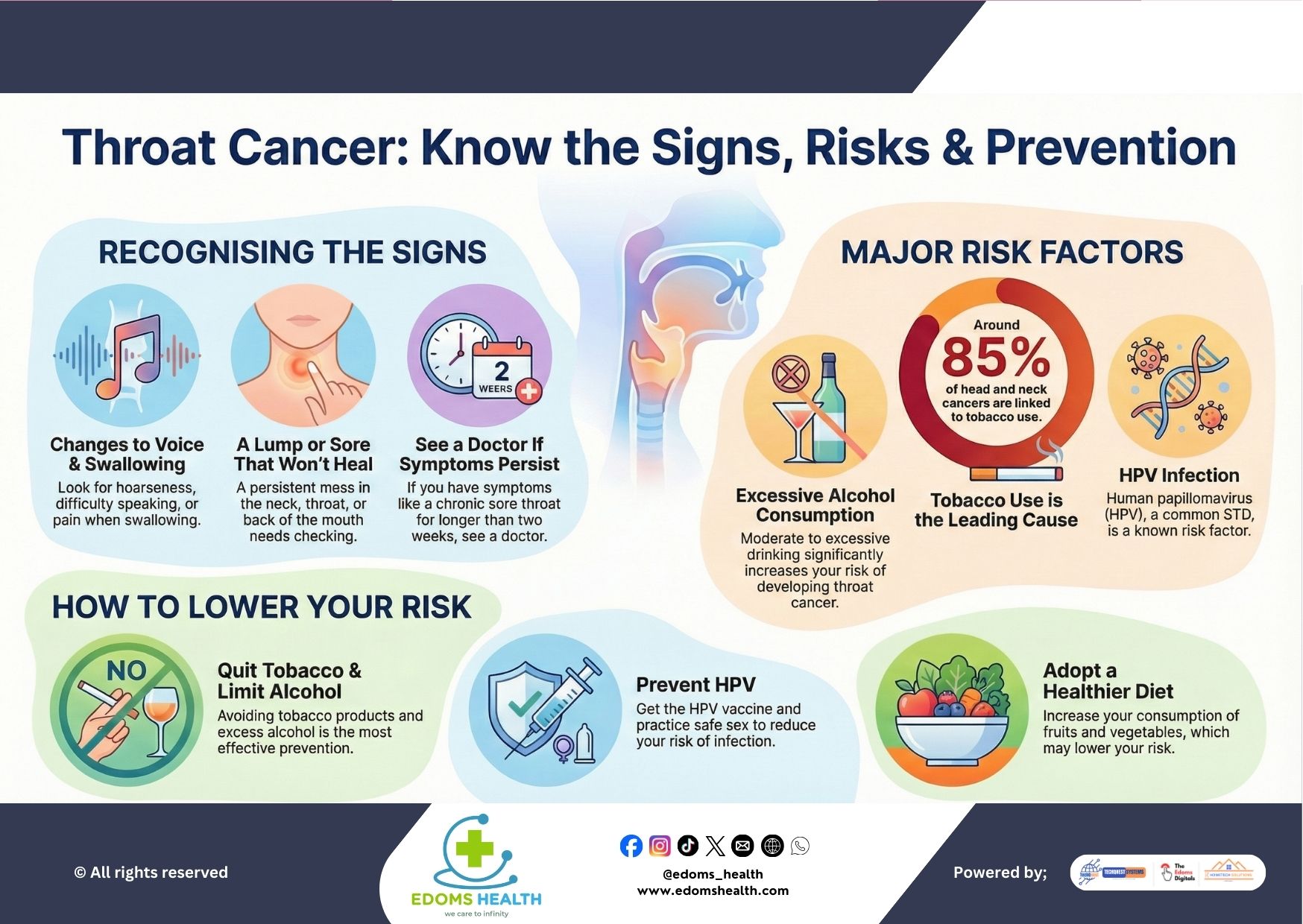
Throat cancer refers to malignancies that develop in the throat (pharynx), voice box (larynx), or tonsils. Early detection is crucial, as symptoms can be subtle and easily mistaken for less serious conditions. By recognizing warning signs, understanding risk factors, and adopting preventive measures, you can take proactive steps to protect your health.
Recognizing the Signs
Throat cancer symptoms can vary depending on the location and stage of the cancer, but common warning signs include:
Changes to Voice & Swallowing
- Persistent hoarseness or changes in your voice that last more than two weeks
- Difficulty or pain when swallowing (dysphagia)
- Sensation of a lump in the throat or feeling that something is stuck
- Chronic sore throat that doesn’t improve with treatment
A Lump or Sore That Won’t Heal
- Unusual lump in the neck, throat, or back of the mouth
- Sores in the mouth or throat that do not heal
- Ear pain without infection, especially on one side
- Unexplained weight loss
- Persistent cough, sometimes with blood
When to See a Doctor
If you experience any of these symptoms for longer than two weeks, especially if you have risk factors such as tobacco use or heavy alcohol consumption, seek medical evaluation promptly. Do not ignore persistent changes—early diagnosis significantly improves treatment outcomes.
Major Risk Factors
Understanding what increases your risk can help you make informed lifestyle choices.
1. Tobacco Use
- Smoking cigarettes, cigars, or pipes, as well as using chewing tobacco, significantly increases the risk of throat cancer.
- Secondhand smoke exposure is also a concern.
2. Excessive Alcohol Consumption
- Heavy or frequent alcohol use is a major risk factor, especially when combined with tobacco use.
3. Human Papillomavirus (HPV) Infection
- Certain strains of HPV, particularly HPV-16, are linked to cancers of the oropharynx (tonsils and base of the tongue).
- HPV-related throat cancer is becoming more common and often affects younger individuals.
4. Other Risk Factors
- Poor nutrition, especially a diet low in fruits and vegetables
- Gastroesophageal reflux disease (GERD) or chronic acid reflux
- Exposure to asbestos or certain other chemicals
- Gender (men are more likely to develop throat cancer than women)
- Age (most common in people over 55, though HPV-related cases occur in younger adults)
How to Lower Your Risk
Many throat cancers are preventable through healthy lifestyle choices.
1. Quit Tobacco & Limit Alcohol
- Stop smoking or using tobacco products. Seek support through cessation programs, medications, or counseling if needed.
- Limit alcohol intake. Follow recommended guidelines—no more than one drink per day for women and two for men.
2. Prevent HPV Infection
- Get the HPV vaccine (Gardasil 9). It is recommended for both males and females, ideally before becoming sexually active, but can be given up to age 45.
- Practice safe sex by using condoms and dental dams, which can reduce (but not eliminate) HPV transmission.
3. Adopt a Healthier Diet
- Increase consumption of fruits and vegetables, which are rich in antioxidants and may help protect against cancer.
- Maintain a balanced diet and healthy weight.
4. Protect Against GERD
- Manage acid reflux with lifestyle changes and medication if recommended by your doctor.
- Avoid lying down immediately after eating and limit trigger foods like caffeine, chocolate, and spicy dishes.
5. Regular Check-Ups and Screenings
- Visit your dentist regularly, as oral exams can detect early signs of throat or mouth cancer.
- Discuss any persistent symptoms with your healthcare provider without delay.
Diagnosis and Treatment
If throat cancer is suspected, your doctor may recommend:
- Physical examination of the throat and neck
- Imaging tests such as CT, MRI, or PET scans
- Biopsy of suspicious tissue
- Endoscopy to visually inspect the throat
Treatment depends on the cancer’s type, stage, and location, and may include:
- Surgery
- Radiation therapy
- Chemotherapy
- Targeted therapy or immunotherapy
- Rehabilitation (speech therapy, nutritional support)
Take Action for Your Health
Throat cancer can be serious, but awareness and prevention are powerful tools. By recognizing early signs, reducing risk factors, and seeking timely medical care, you can significantly impact your health outcomes.
If you have persistent throat symptoms or concerns about your risk, schedule an appointment with your doctor. Early detection saves lives.
Your voice matters—protect it. Listen to your body, make healthy choices, and seek help when needed.