 Esau Busuulwa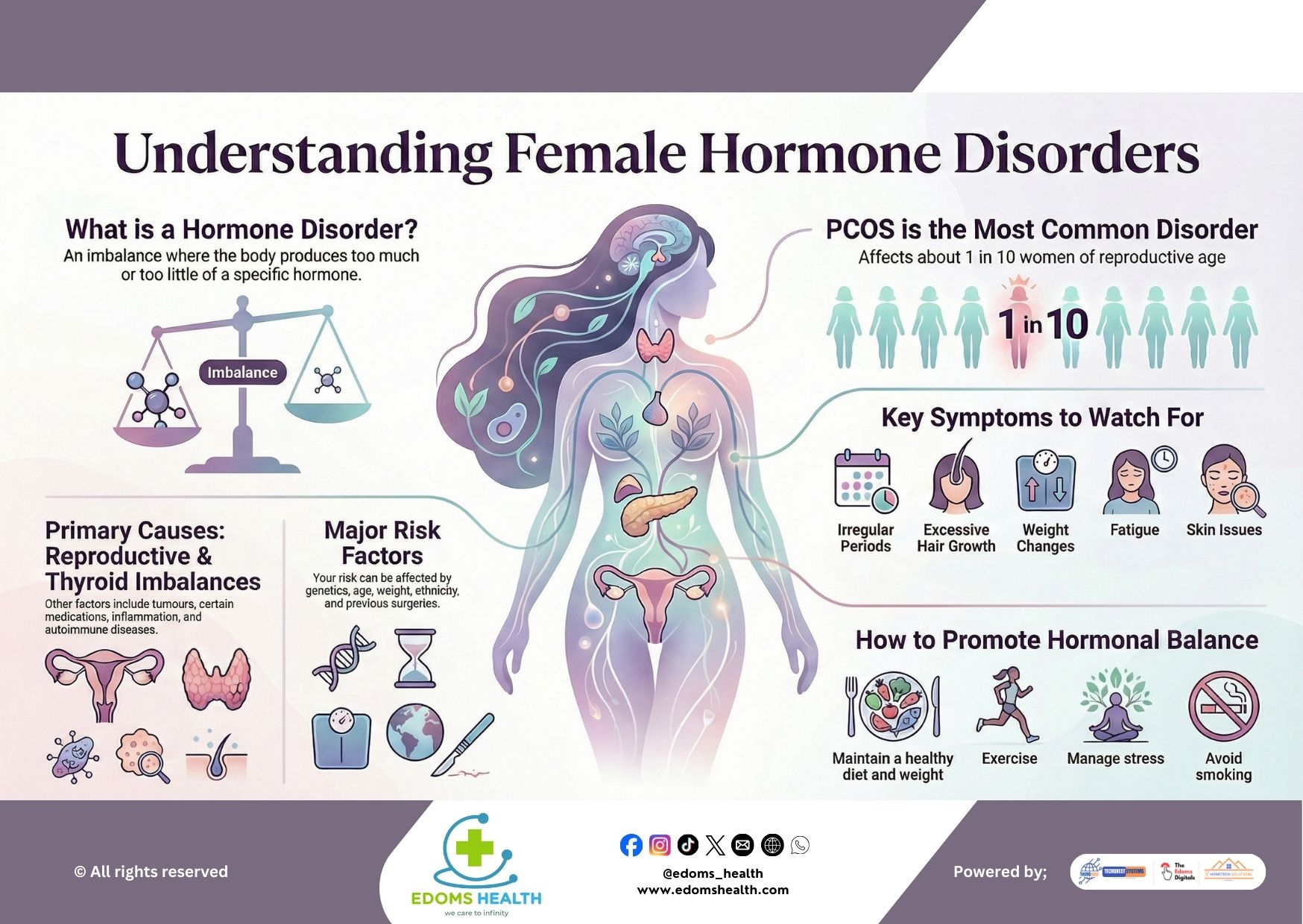
Hormones are the body’s chemical messengers, regulating everything from your mood and metabolism to your menstrual cycle and energy levels. When these hormones fall out of balance—produced in excess or in insufficient amounts—it can lead to a range of symptoms and health conditions. Hormone disorders are especially common among women and can significantly impact daily life, but with awareness and proactive care, they can often be managed effectively.
What Is a Hormone Disorder?
A hormone disorder occurs when there is an imbalance in the production or function of one or more hormones. These imbalances can disrupt bodily processes, leading to symptoms that may be subtle at first but can worsen over time if left unaddressed.
Primary Causes: Reproductive & Thyroid Imbalances
Many female hormone disorders stem from issues with the reproductive or endocrine systems. Common underlying causes include:
- Reproductive imbalances: Conditions like Polycystic Ovary Syndrome (PCOS), endometriosis, and primary ovarian insufficiency
- Thyroid disorders: Hypothyroidism (underactive thyroid) or hyperthyroidism (overactive thyroid)
- Other factors: Tumors (benign or cancerous), certain medications, chronic inflammation, autoimmune diseases (e.g., Hashimoto’s thyroiditis), and pituitary gland dysfunction
Major Risk Factors
Your likelihood of developing a hormone disorder can be influenced by several factors, including:
- Genetics: A family history of hormone-related conditions
- Age: Hormonal fluctuations are common during puberty, perimenopause, and menopause
- Weight: Excess body fat, especially around the abdomen, can affect hormone production
- Ethnicity: Some disorders, like PCOS, may be more prevalent in certain ethnic groups
- Previous surgeries: Such as ovary removal or thyroid surgery
- Lifestyle factors: Chronic stress, poor diet, and lack of exercise
PCOS: The Most Common Hormone Disorder in Women
Polycystic Ovary Syndrome (PCOS) is one of the leading hormone disorders, affecting approximately 1 in 10 women of reproductive age. It is characterized by hormonal imbalances that can cause:
- Irregular or absent menstrual periods
- Excess androgen (male hormone) levels, leading to symptoms like facial hair growth and acne
- Insulin resistance, which can contribute to weight gain and increase the risk of type 2 diabetes
- Ovarian cysts (though not all women with PCOS have cysts)
PCOS is also a common cause of infertility and may increase the risk of long-term health issues such as cardiovascular disease if not managed.
Key Symptoms to Watch For
Hormone imbalances can manifest in various ways. Common symptoms include:
- Irregular periods: Missing periods, heavy bleeding, or cycles that are too short or long
- Excessive hair growth (hirsutism): On the face, chest, or back
- Unexplained weight gain or difficulty losing weight
- Fatigue and low energy levels
- Skin issues: Acne, oily skin, or dark patches (acanthosis nigricans)
- Mood swings, anxiety, or depression
- Sleep disturbances
- Hot flashes or night sweats (especially during perimenopause)
- Hair thinning or loss on the scalp
- Fertility problems
If you experience several of these symptoms, it may be worth discussing the possibility of a hormone disorder with your healthcare provider.
How to Promote Hormonal Balance
While some hormone disorders require medical treatment, many lifestyle changes can support hormone health and alleviate symptoms.
1. Maintain a Healthy Diet and Weight
- Focus on whole foods such as vegetables, fruits, lean proteins, and healthy fats.
- Limit processed foods, sugar, and refined carbohydrates, which can spike insulin and worsen conditions like PCOS.
- Incorporate fiber-rich foods to support gut health and hormone metabolism.
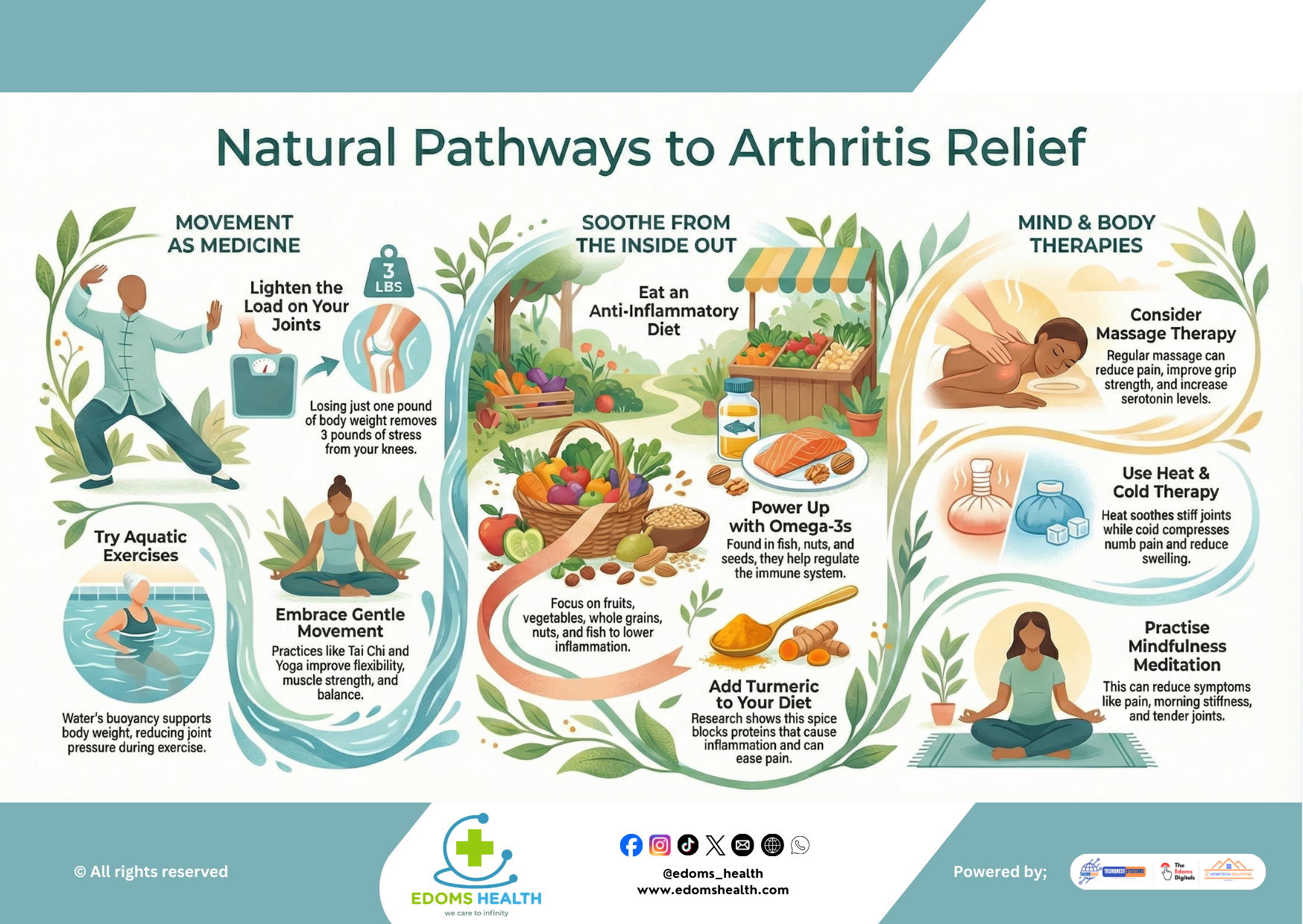
- Stay hydrated and consider anti-inflammatory foods like turmeric, ginger, and omega-3-rich fish.
2. Exercise Regularly
- Physical activity helps regulate insulin, reduce stress, and support a healthy weight.
- Aim for a mix of cardio, strength training, and flexibility exercises.
- Even moderate activities like walking, yoga, or cycling can make a significant difference.
3. Manage Stress
- Chronic stress increases cortisol, which can disrupt other hormones like estrogen and progesterone.
- Practice relaxation techniques such as meditation, deep breathing, or mindfulness.
- Prioritize sleep—aim for 7–9 hours per night in a consistent, restful environment.
4. Avoid Smoking and Limit Toxins
- Smoking can interfere with hormone production and worsen symptoms.
- Reduce exposure to endocrine-disrupting chemicals found in some plastics, cosmetics, and household products.
5. Seek Professional Guidance
- If lifestyle changes aren’t enough, a healthcare provider can offer treatments such as hormone therapy, birth control pills, insulin-sensitizing medications, or thyroid medication.
- Regular check-ups and blood tests can help monitor hormone levels and adjust treatments as needed.
Taking Charge of Your Hormonal Health
Hormone disorders are common, but they don’t have to control your life. By recognizing the signs, understanding your risk factors, and adopting healthy habits, you can take meaningful steps toward balance and well-being. Whether you’re navigating PCOS, thyroid issues, or perimenopause, know that support and effective treatments are available.
If you suspect a hormone imbalance, don’t hesitate to reach out to a healthcare professional. Early diagnosis and a tailored treatment plan can help you feel like yourself again.
Your hormones play a vital role in your health—listening to your body and taking action is the first step toward harmony.