 Esau Busuulwa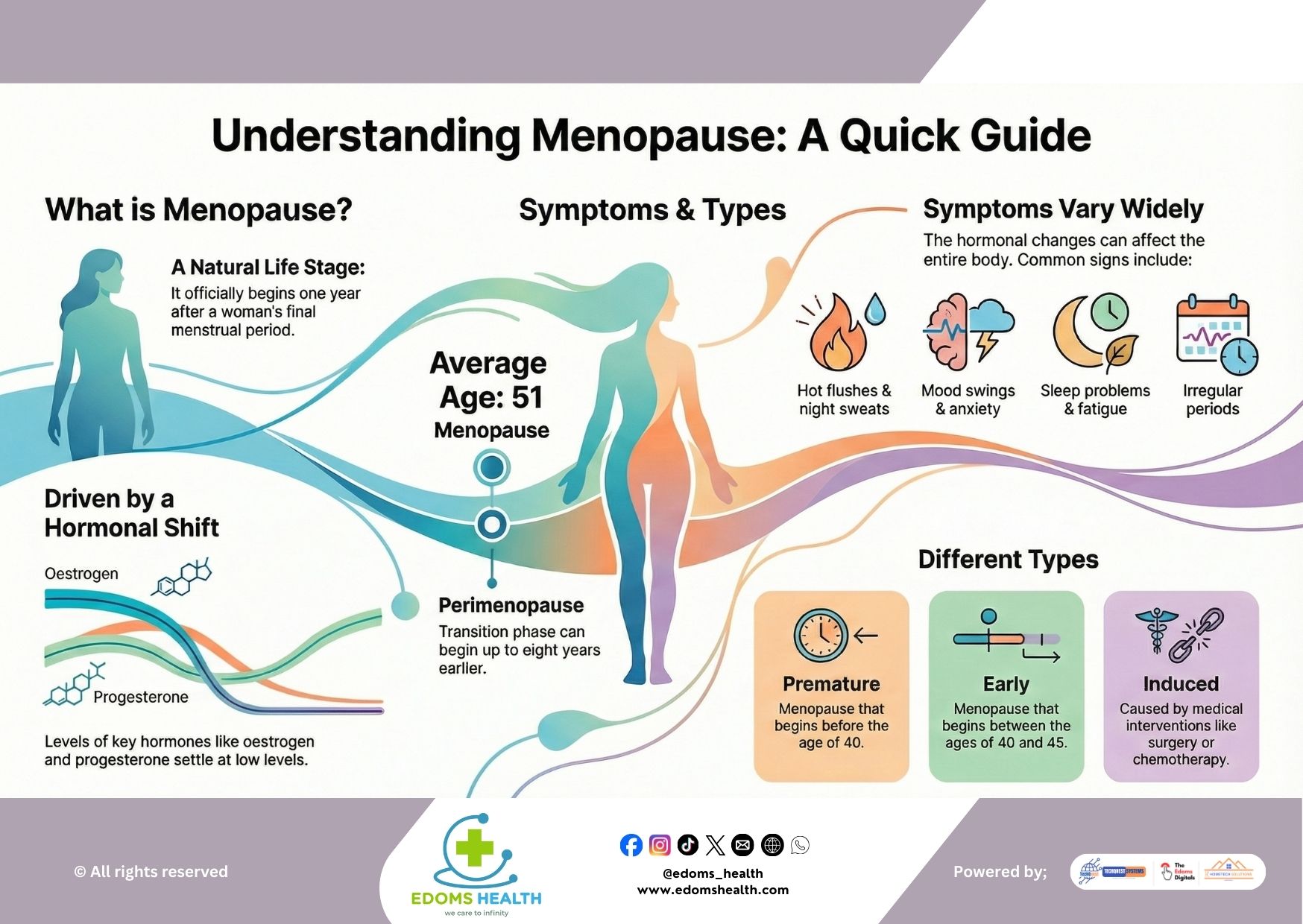
Menopause is a natural and inevitable stage in a woman’s life, marking the end of her reproductive years. Though often surrounded by misconception and stigma, menopause is a normal transition that every woman experiences differently. Understanding what to expect—and knowing that support and management options exist—can make this phase of life more manageable and even empowering.
What Is Menopause?
Menopause is officially defined as the point in time one full year after a woman’s final menstrual period. It is driven by a significant hormonal shift, primarily involving:
- Estrogen
- Progesterone
These key reproductive hormones settle at lower levels, signaling the end of ovulation and menstruation.
Average Age of Onset:
Most women reach menopause around age 51, though the timing can vary widely based on genetics, health, and lifestyle factors.
Stages of Menopause
The transition doesn’t happen overnight. It occurs in stages:
- Perimenopause
The transitional phase that can begin up to eight years before menopause. During this time, hormone levels fluctuate, periods become irregular, and symptoms like hot flashes may start. - Menopause
The point 12 months after the last menstrual period. - Postmenopause
The years after menopause, during which symptoms may gradually ease, but long-term health considerations—such as bone density and heart health—become important.
Symptoms & How They Vary
The hormonal changes of menopause can affect nearly every system in the body. Symptoms vary widely in type and intensity. Common signs include:
- Hot flashes & night sweats
- Mood swings, irritability, or anxiety
- Sleep problems & fatigue
- Irregular periods before they stop entirely
- Vaginal dryness & discomfort during intercourse
- Decreased libido
- Weight gain, especially around the abdomen
- Brain fog or memory lapses
- Dry skin, thinning hair, and brittle nails
- Joint aches and muscle tension
Some women experience mild symptoms, while others find them disruptive to daily life. Every woman’s journey is unique.
Different Types of Menopause
While natural menopause occurs with age, other types may happen earlier due to medical or genetic factors:
- Premature Menopause: Occurs before age 40. It can be natural or related to autoimmune conditions, genetics, or unknown causes.
- Early Menopause: Occurs between ages 40 and 45.
- Induced Menopause: Caused by medical interventions such as:
- Surgical removal of the ovaries
- Chemotherapy or radiation
- Certain medications or treatments affecting ovarian function
Women who experience early or induced menopause may face more intense symptoms and additional health considerations, such as a higher risk of osteoporosis and cardiovascular disease.
Managing Menopause Symptoms
Menopause is not a disease—it’s a life stage. But that doesn’t mean you have to suffer through it. Many strategies can help ease symptoms:
Lifestyle Adjustments
- Stay cool: Dress in layers, use fans, and keep your bedroom cool at night.
- Exercise regularly: Helps with mood, sleep, weight management, and bone strength.
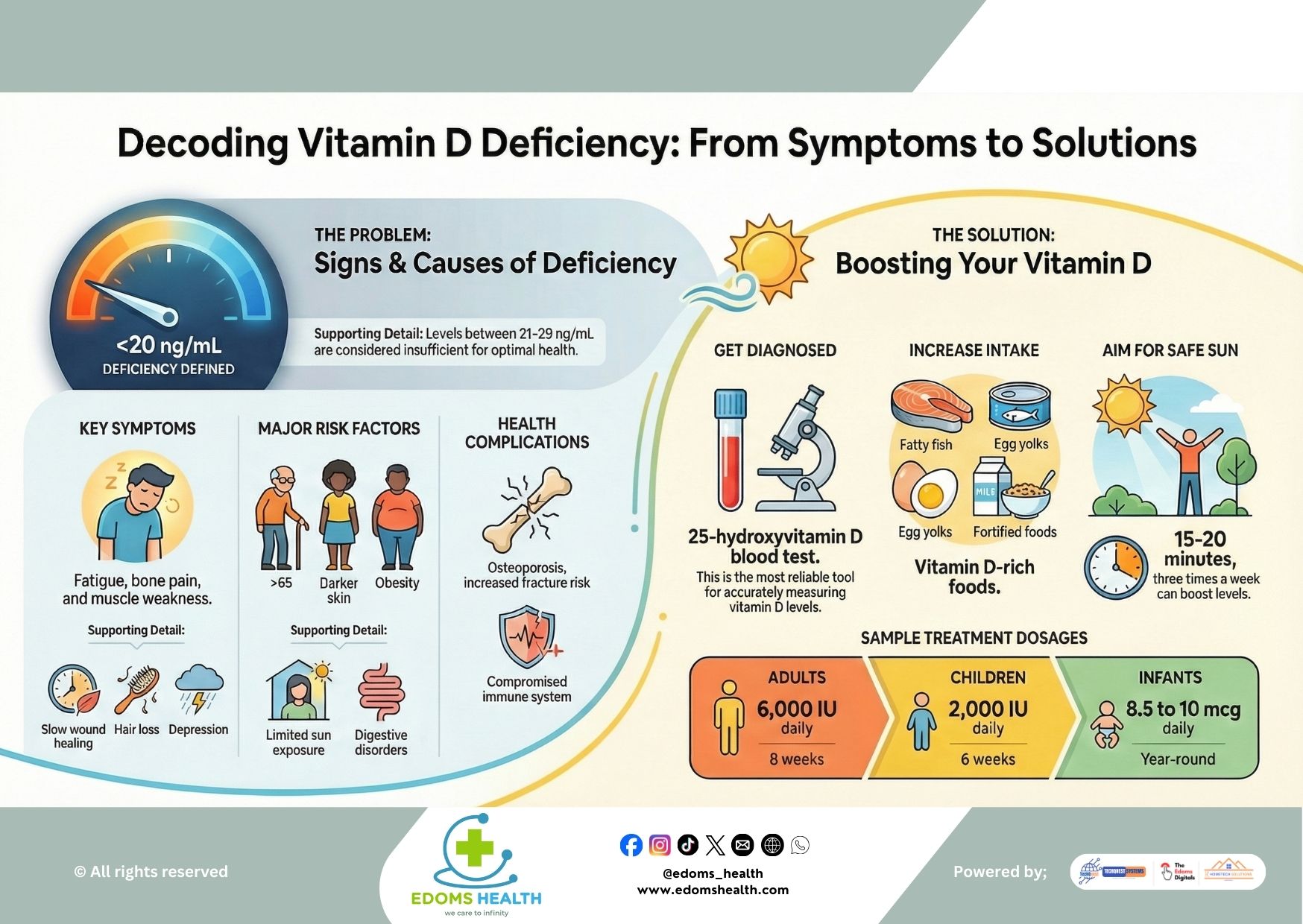
- Eat a balanced diet: Focus on calcium, vitamin D, and phytoestrogen-rich foods like flaxseed and soy.
- Limit triggers: Reduce caffeine, alcohol, and spicy foods if they worsen hot flashes.
- Prioritize sleep: Maintain a consistent sleep schedule and create a restful environment.
- Manage stress: Try yoga, meditation, deep breathing, or counseling.
Medical Treatments
- Hormone Replacement Therapy (HRT): Can relieve many symptoms but is not suitable for everyone. Discuss risks and benefits with your doctor.
- Non-hormonal medications: Certain antidepressants or blood pressure medications can help with hot flashes.
- Vaginal estrogen: Low-dose creams, tablets, or rings to treat dryness and discomfort.
- Bone health support: Calcium, vitamin D, and possibly medications to prevent osteoporosis.
Emotional & Social Support
- Talk openly with friends, family, or a therapist.
- Join support groups—online or in-person.
- Educate yourself and advocate for your health with healthcare providers.
A New Chapter
Menopause is more than an ending—it’s the beginning of a new chapter. With greater self-awareness, proactive health management, and the right support, many women find this stage to be a time of growth, freedom, and renewed purpose.
If you’re experiencing symptoms that interfere with your quality of life, speak with a healthcare provider. You don’t have to navigate menopause alone.
Embrace the change—your body is entering a new phase of wisdom and strength.