 Esau Busuulwa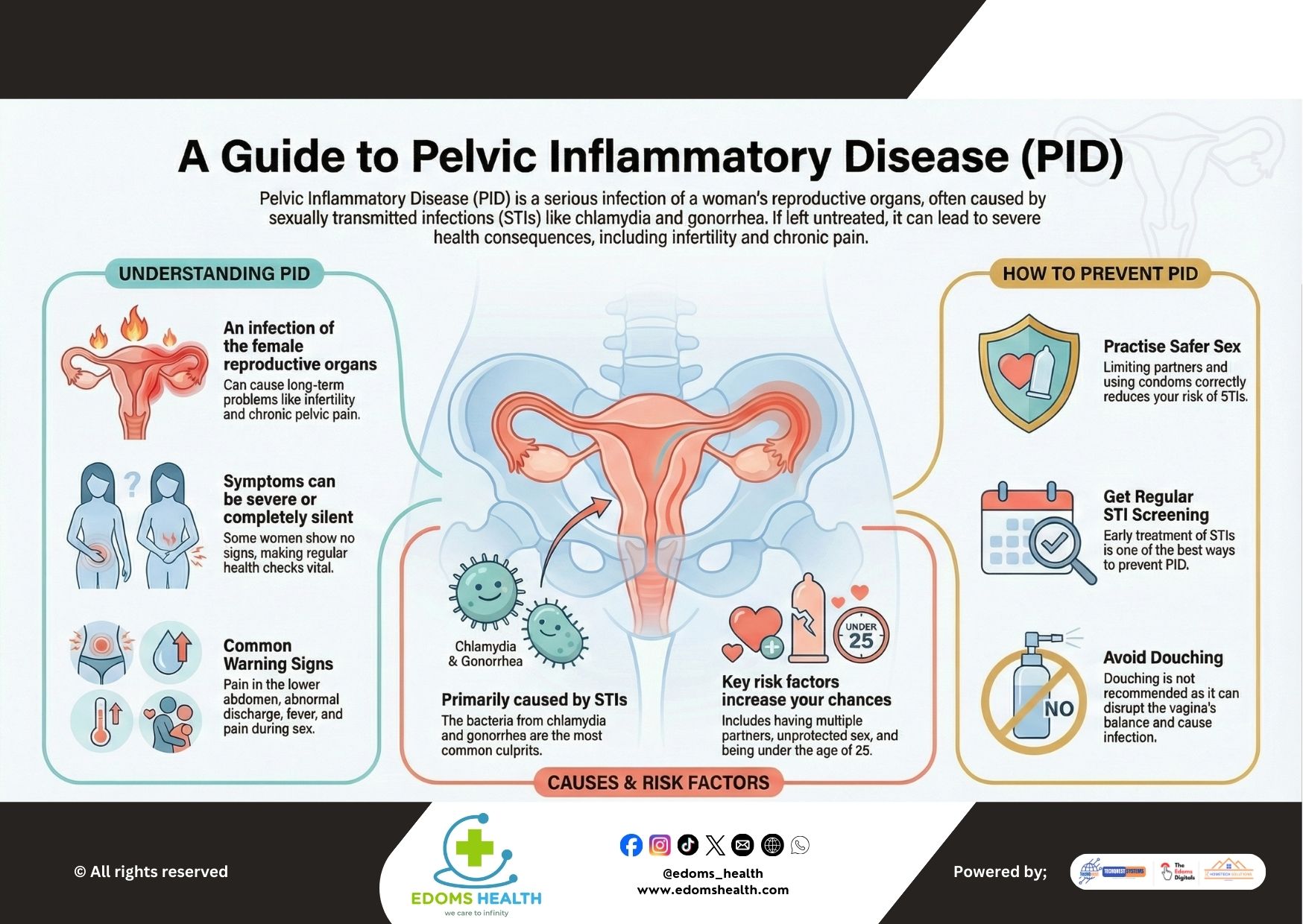
Pelvic Inflammatory Disease (PID) is a serious infection of a woman’s reproductive organs, including the uterus, fallopian tubes, and ovaries. Often caused by sexually transmitted infections (STIs) like chlamydia and gonorrhea, PID can lead to long-term complications such as infertility, chronic pelvic pain, and ectopic pregnancy if not treated promptly. Understanding the causes, symptoms, and prevention strategies is crucial for protecting your reproductive and overall health.
Understanding PID
What Is PID?
PID is an infection that occurs when bacteria from the vagina or cervix travel upward into the uterus, fallopian tubes, or ovaries. This can cause inflammation, scarring, and damage to the reproductive organs.
Silent but Serious
One of the most concerning aspects of PID is that it can be asymptomatic or present only mild symptoms, meaning some women may not realize they are infected until complications arise. Regular STI screenings are vital for early detection and treatment.
Common Warning Signs
Symptoms of PID can vary from mild to severe and may include:
- Lower abdominal or pelvic pain (often dull, aching, or sharp)
- Abnormal vaginal discharge (may be yellow or green with an unusual odor)
- Pain during intercourse (dyspareunia)
- Fever, sometimes with chills
- Painful or frequent urination
- Irregular menstrual bleeding or spotting between periods
- Fatigue
- Nausea or vomiting (in severe cases)
If you experience any of these symptoms, especially after unprotected sex or if you are at risk for STIs, seek medical attention immediately.
Causes and Risk Factors
Primary Cause: Sexually Transmitted Infections
- Chlamydia and gonorrhea are responsible for the majority of PID cases.
- Less commonly, other bacteria—including those from bacterial vaginosis or non-sexually transmitted infections—can also cause PID.
Key Risk Factors
- Multiple sexual partners
- Unprotected sex (without condoms)
- Being under age 25 (due to higher rates of STIs and biological factors)
- Previous history of PID or STIs
- Douching, which can disrupt the natural vaginal flora and push bacteria upward
- Use of an intrauterine device (IUD) in the first few weeks after insertion (though risk is low with proper screening)
Potential Complications
If left untreated, PID can lead to:
- Infertility due to scarring of the fallopian tubes
- Chronic pelvic pain
- Ectopic pregnancy (life-threatening pregnancy outside the uterus)
- Tubo-ovarian abscess (a collection of pus in the reproductive tract)
- Increased risk of future PID episodes
Diagnosis and Treatment
Diagnosis
A healthcare provider may diagnose PID through:
- Physical exam, including a pelvic exam to check for tenderness
- STI testing (urine test or swab)
- Blood tests to check for infection or inflammation
- Ultrasound to look for signs of infection or abscess
- Laparoscopy in some cases (a minimally invasive surgical procedure)
Treatment
- Antibiotics: Prompt antibiotic treatment is essential. A full course must be completed, even if symptoms improve early.
- Hospitalization: May be required for severe cases, abscesses, or if oral antibiotics are ineffective.
- Partner Treatment: Sexual partners should also be tested and treated to prevent reinfection.
- Follow-Up Care: A follow-up visit is important to ensure the infection has cleared.
How to Prevent PID
1. Practice Safer Sex
- Use condoms consistently and correctly with every sexual encounter.
- Limit the number of sexual partners and have open conversations about STI testing.
2. Get Regular STI Screenings
- Annual screenings for chlamydia and gonorrhea are recommended for sexually active women under 25 and for older women with risk factors.
- Early detection and treatment of STIs can prevent PID.
3. Avoid Douching
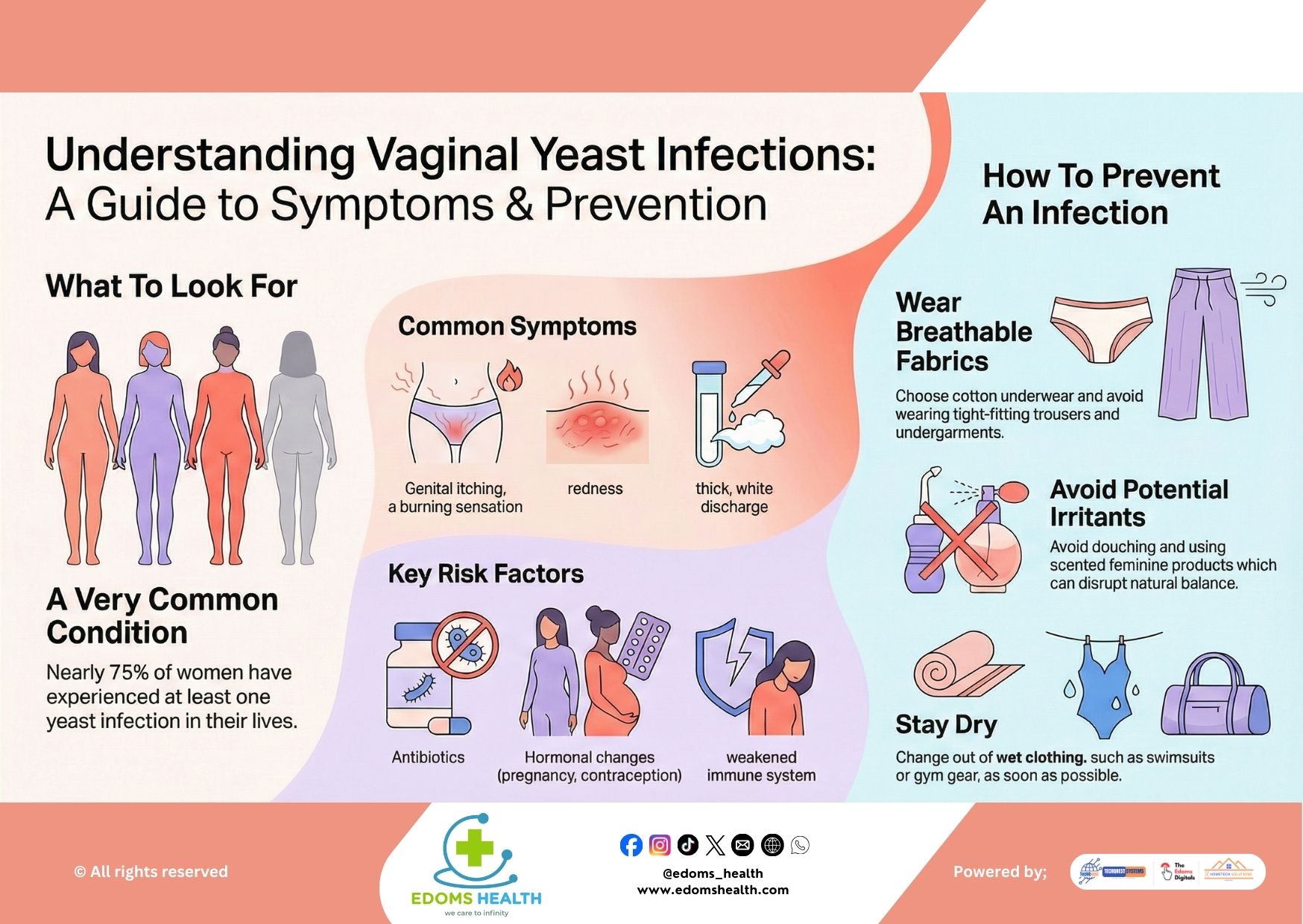
- Douching disrupts the vagina’s natural protective bacteria and can increase the risk of infection.
4. Seek Prompt Medical Attention
- If you suspect an STI or have symptoms of PID, do not delay seeing a healthcare provider.
5. Consider Vaccination
- The HPV vaccine protects against strains that can cause cervical changes and may reduce PID risk indirectly by preventing HPV-related cervical issues.
Your Health Is in Your Hands
PID is a preventable and treatable condition, but awareness and proactive care are key. By practicing safer sex, staying up-to-date with screenings, and seeking timely medical care, you can protect your reproductive health and avoid serious long-term consequences.
If you have symptoms of PID or are due for an STI screening, schedule an appointment with your healthcare provider today. Early action protects your fertility and your future.
Knowledge, prevention, and timely treatment are your best defenses against PID.