 Esau Busuulwa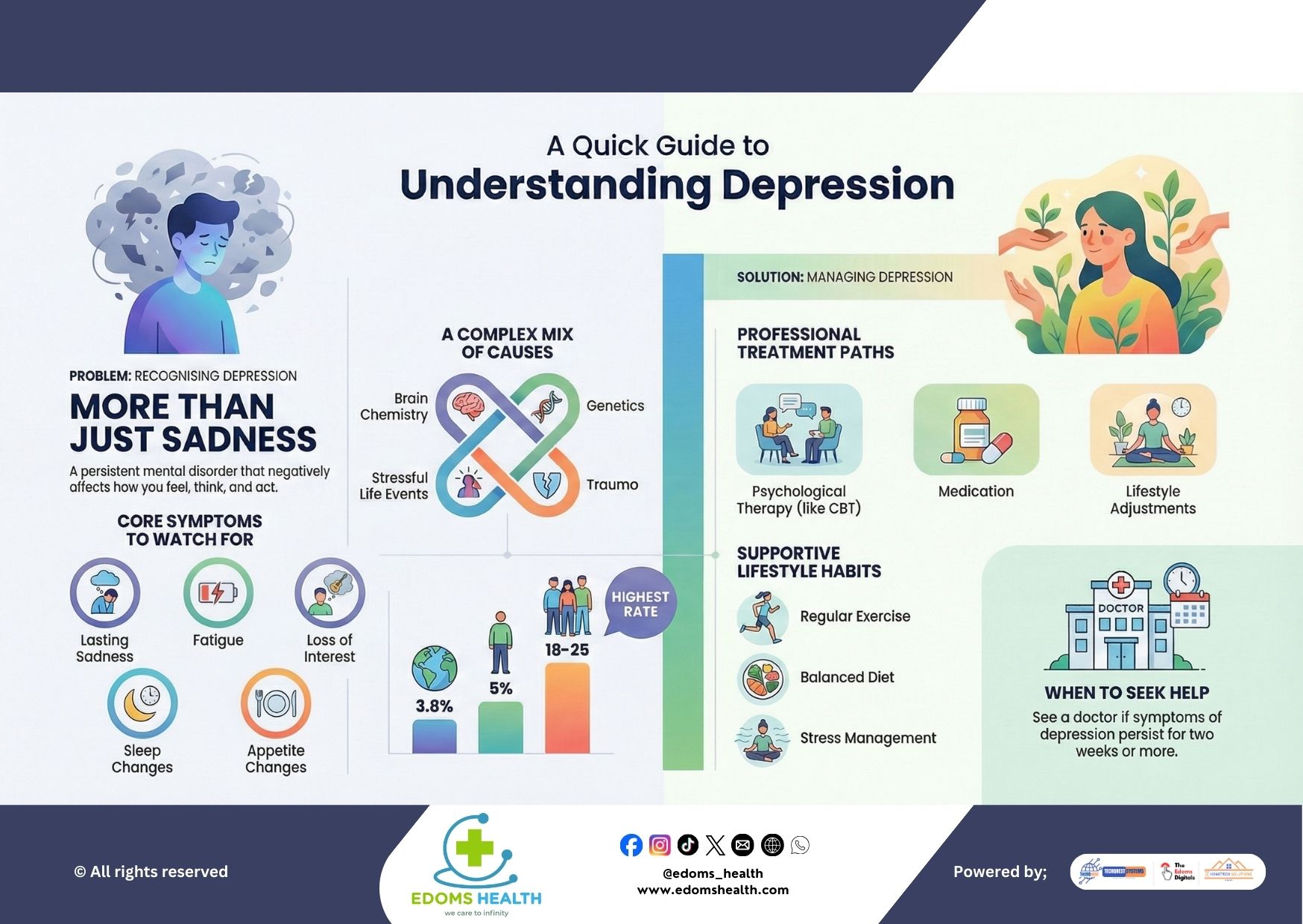
Depression is one of the most common yet misunderstood mental health conditions affecting people worldwide. It’s more than just feeling sad—it’s a persistent mental disorder that can deeply affect how you feel, think, and act. Recognizing the signs, understanding the causes, and knowing how to seek help are crucial steps toward healing and recovery.
Recognizing Depression: More Than Just Sadness
Depression is characterized by a persistent low mood and a loss of interest or pleasure in activities once enjoyed. Unlike temporary sadness, depression can last for weeks, months, or even years if left untreated. It affects every aspect of a person’s life—from work and relationships to physical health and daily functioning.
Core Symptoms to Watch For:
- Lasting sadness or a consistently low mood
- Loss of interest in hobbies, social activities, or work
- Fatigue or low energy, even after rest
- Sleep changes—insomnia or oversleeping
- Appetite or weight changes
- Difficulty concentrating, remembering, or making decisions
- Feelings of worthlessness or excessive guilt
- Thoughts of death or suicide
If you or someone you know is experiencing several of these symptoms for two weeks or more, it’s important to seek professional help.
What Causes Depression?
Depression does not have a single cause. It often results from a combination of factors:
- Brain Chemistry: Imbalances in neurotransmitters like serotonin, dopamine, and norepinephrine can affect mood regulation.
- Genetics: A family history of depression may increase your risk.
- Trauma or Stressful Life Events: Such as loss, abuse, financial stress, or major life changes.
- Medical Conditions: Chronic illness, hormonal changes, or certain medications can contribute.
- Demographic Factors: While depression can affect anyone, research shows that young adults aged 18–25 report the highest rates, with around 5% of adults experiencing depression globally.
Managing Depression: Treatment and Support
Depression is treatable, and recovery is possible with the right support and interventions.
Professional Treatment Paths:
- Psychological Therapy: Such as Cognitive Behavioral Therapy (CBT), which helps reframe negative thought patterns, or interpersonal therapy.
- Medication: Antidepressants can help balance brain chemistry and are often used in combination with therapy.
- Lifestyle Adjustments: Integrating healthy routines can support mental wellness alongside clinical treatment.
Supportive Lifestyle Habits:
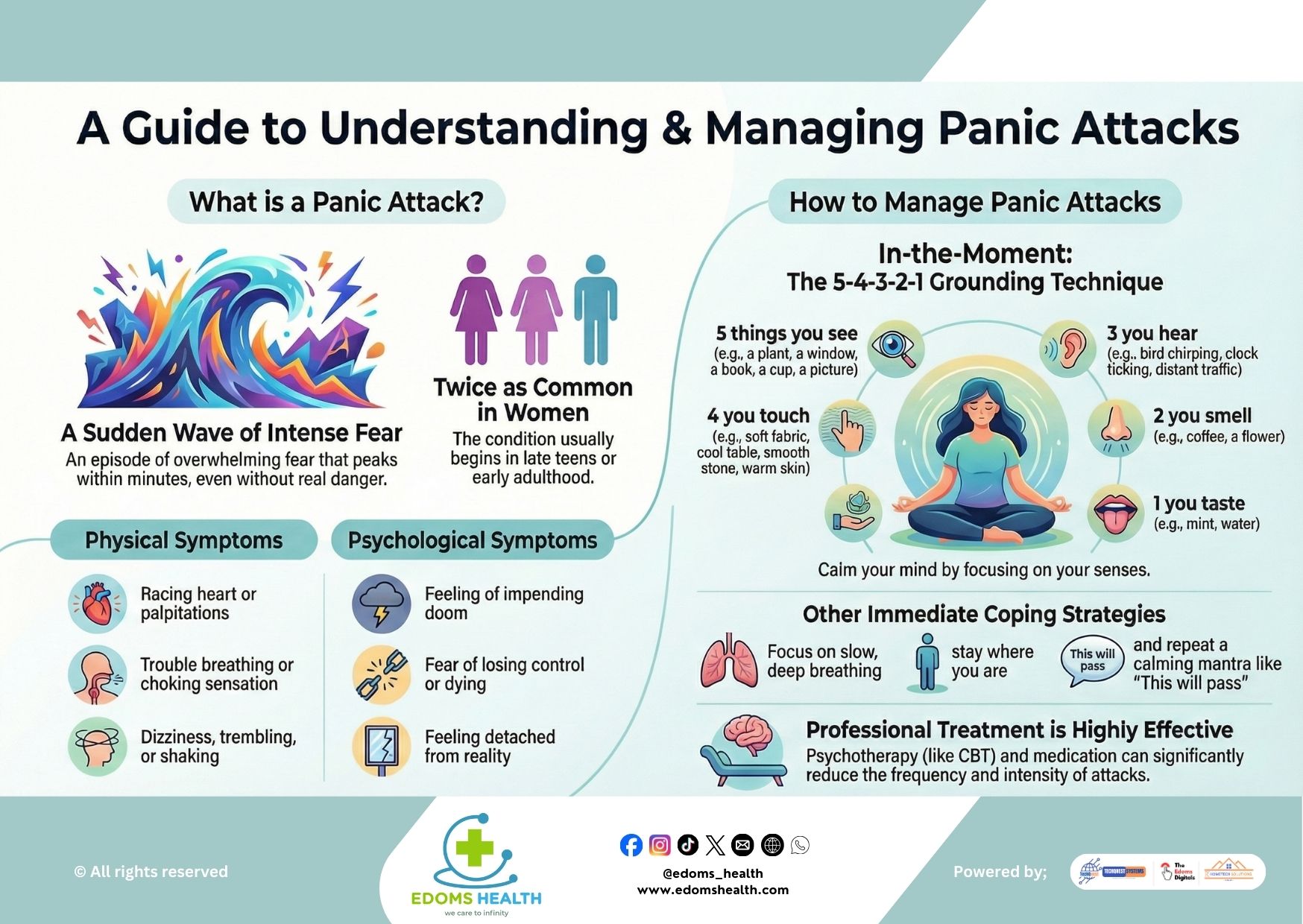
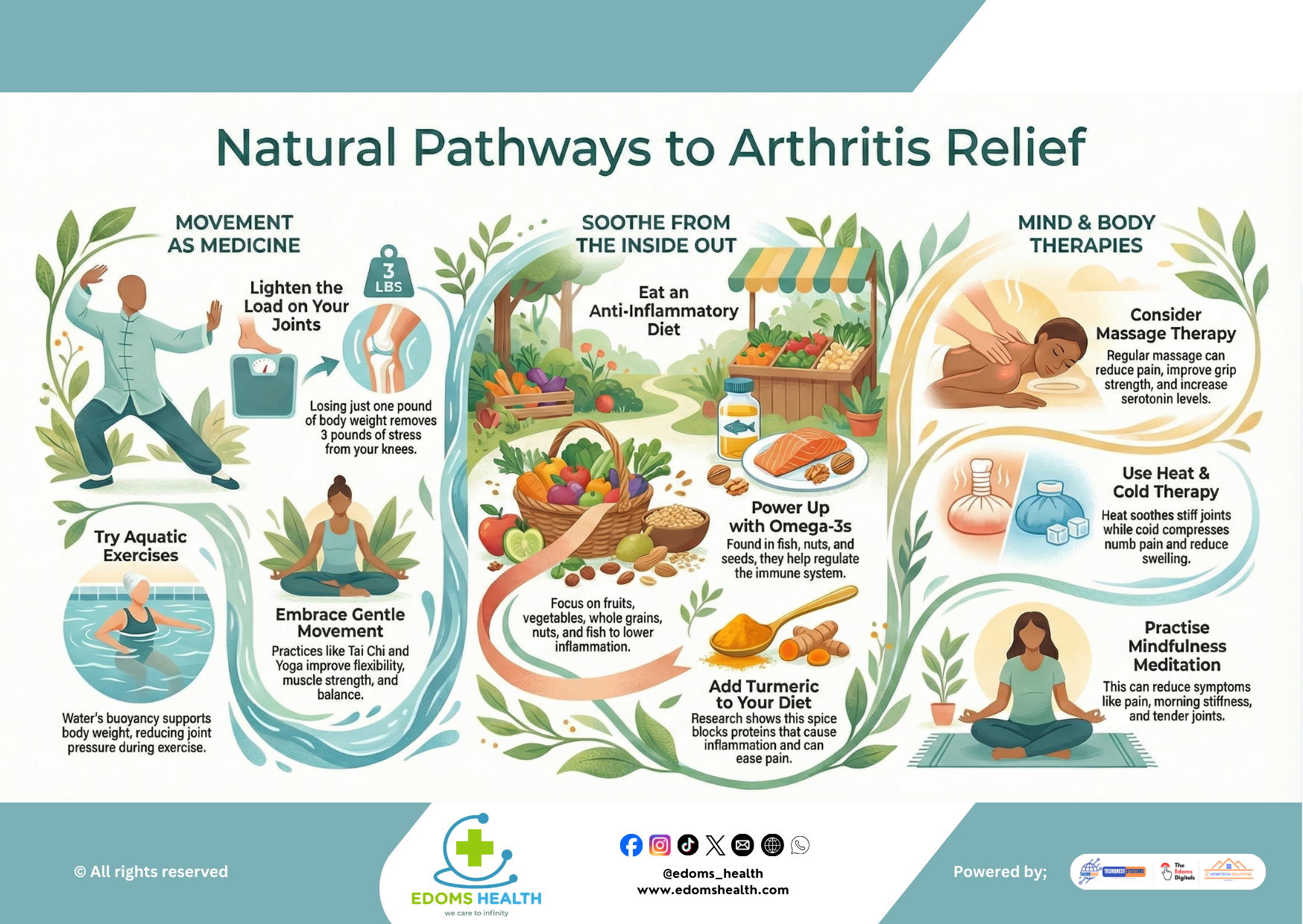
- Regular Exercise: Physical activity boosts endorphins and can improve mood.
- Balanced Diet: Nutrient-rich foods support brain health and energy levels.
- Stress Management: Practices like mindfulness, meditation, or yoga can reduce anxiety.
- Social Connection: Staying connected with friends, family, or support groups can reduce isolation.
- Quality Sleep: Establishing a regular sleep schedule is essential for emotional regulation.
When to Seek Help
If you or someone you care about is experiencing symptoms of depression for two weeks or longer, it’s time to reach out to a doctor, therapist, or mental health professional. Depression is not a sign of weakness—it’s a medical condition that deserves care and attention.
If you are having thoughts of self-harm or suicide, seek immediate help by contacting a crisis helpline, going to the nearest emergency room, or telling someone you trust right away.
You Are Not Alone
Depression can make you feel isolated, but millions of people experience it—and many go on to live fulfilling lives with proper support. Whether through therapy, medication, lifestyle changes, or a combination, there is hope and help available.
Take the first step today. Speak to a healthcare provider or a trusted person in your life. Your mental health matters, and you deserve to feel better.
If you need immediate support, consider reaching out to a mental health helpline such as the National Suicide Prevention Lifeline or a local crisis service.